
First Car? Smart Things to Know Before You Buy
Congrats — buying your first car is exciting and a little nerve-wracking. I’ll walk you through the practical stuff so you feel confident, not overwhelmed.
Set a realistic budget first. Think total cost of ownership, not just the sticker price. Include insurance, fuel, maintenance, taxes, registration, and parking. A simple rule: keep car payments under 15% of your monthly take-home pay and total vehicle costs under 20%.
Tip: Get pre-approved for a loan from a bank or credit union. It lets you compare dealer offers and avoid payment tricks.
New vs. used vs. certified pre-owned (CPO)
New: latest tech and warranty, higher depreciation in first few years. Used: better value but check history. CPO: inspected, extended warranty, pricier than ordinary used but often a sweet spot for peace of mind.
Industry insight: Recent supply-chain swings and high used-car demand have changed depreciation patterns. Some models hold value unusually well — research resale scores before buying.
Understand financing and interest rates
APR matters more than monthly payment. Longer terms reduce payment but increase interest paid. Check your credit score — it strongly affects available rates.
Pro move: Compare APR from dealer financing, banks, and credit unions; ask the dealer to match your pre-approved rate.
Insurance basics
Get insurance quotes before you buy. Rates vary by model, age, and driving record. New drivers and younger buyers should budget for higher premiums. Consider bundling with other policies for discounts.
Check the vehicle history and inspection
Always run the VIN through Carfax or AutoCheck for accidents, title brands, and service records. For used cars, pay for an independent mechanic’s pre-purchase inspection — it can save thousands.
Don’t skip a test drive. Drive in traffic, on the highway, and try parking. Listen for odd noises and feel how it handles.
Warranties and add-ons
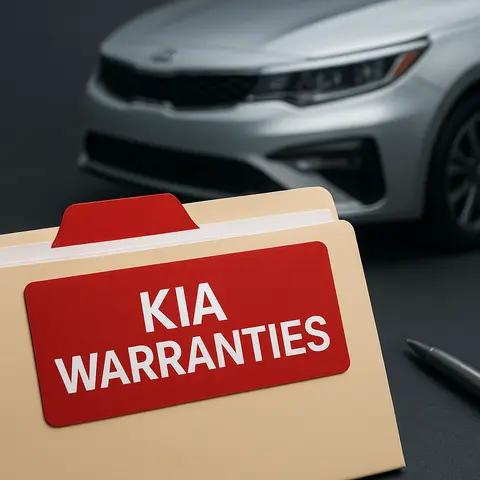
Factory warranties are valuable. Be cautious with dealer add-ons (paint protection, fabric guards). Many are overpriced. Read warranty fine print, especially for used or extended warranties.
Understand safety and tech
Look for active safety features: automatic emergency braking, blind-spot monitoring, lane-keep assist. Newer models often have better crash protection and can reduce insurance costs.
Fuel, plug-in, or EV?
Gas cars are simple. Hybrids save fuel. EVs have lower operating costs and fewer moving parts, but consider charging access, range, and local incentives. Battery warranties (often 8 years) are crucial.
Note on incentives: Federal and state EV tax credits change frequently — confirm current eligibility before you buy.
Negotiation and closing
Negotiate price, not monthly payment. Ask for an itemized out-the-door price. Check fees — destination, doc fees, and registration should be transparent. Don’t be pressured into extras at signing.
Myth: You need a big down payment. Small down payments are possible but larger down payments reduce interest and negative equity risk.
After the purchase
Keep maintenance records, follow recommended service intervals, and register recalls. A well-kept car keeps resale value higher.
Final thought: Take your time, do research, and bring a checklist to the dealer. A smart first car purchase starts with clear priorities — budget, reliability, and your daily needs. You've got this.